
Architecture should not begin with a style. It should begin with understanding.
At Intercona Architects, we have never been particularly interested in developing a recognizable architectural style.
Looking through our work, one may find a contemporary tropical house next to a classically influenced residence, a restrained office building beside a vibrant restaurant interior.
At first glance, they may appear to have little in common.
And perhaps that is exactly the point.
Every Project Begins Differently
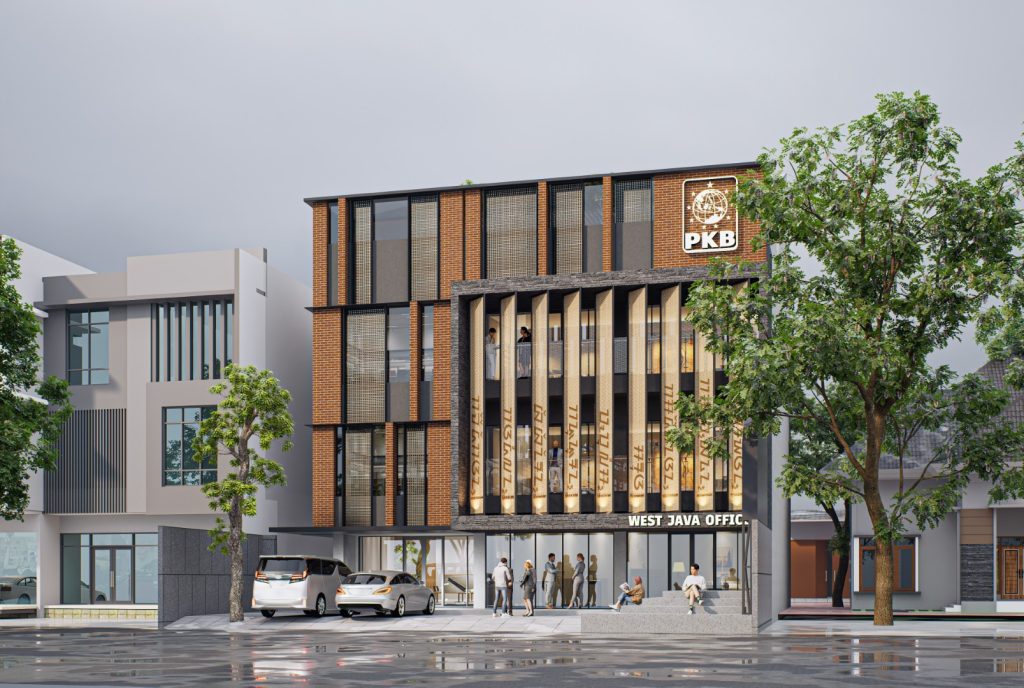
Architecture does not exist in isolation.
Every project begins with a different client, site, budget, context, and way of living.
A house in Bandung responds to climate, family routines, privacy, and landscape differently from a restaurant in Jakarta or an automotive showroom in Makassar.
For us, imposing the same architectural language onto every project would mean ignoring many of the conditions that make each project unique.
Instead, we begin by asking questions.
How will people use the space?
What does the site offer?
What should the building feel like?
What constraints can become opportunities?
Only then does the architecture begin to take shape.
Architecture in the Client’s Interest

Every commission begins with a responsibility.
The project is entrusted to us because it needs to serve the people who will eventually inhabit, use, operate, or invest in it. Their needs, aspirations, resources, and circumstances must therefore remain central to the design process.
This does not mean translating every initial request literally or agreeing with every idea without question.
Clients may know what they want a space to achieve, but not always how architecture can achieve it. The architect’s role is to listen carefully, uncover the needs behind the request, test its implications, and sometimes propose an answer the client had not yet imagined.
Professional judgment remains essential.
But that judgment should be exercised in the interest of the client and the project—not merely as an opportunity for the architect to impose a personal preference or pursue self-expression.
Architecture may carry the thinking and conviction of its architect, but it should never become an exercise in architectural ego.
The objective is not to use the client’s project to demonstrate what we want to design.
It is to understand what the project genuinely needs to become.
Consistency Without Sameness

This does not mean that our projects have no common ground.
The consistency lies not necessarily in how they look, but in how they are approached.
We value clarity in planning, careful proportions, thoughtful material choices, and architecture that responds to the people who inhabit it.
We question assumptions, evaluate possibilities, and help clients distinguish between what they initially request and what may ultimately serve them better.
The result may look different from one project to another.
The thinking behind it remains consistent.
Architecture as Response
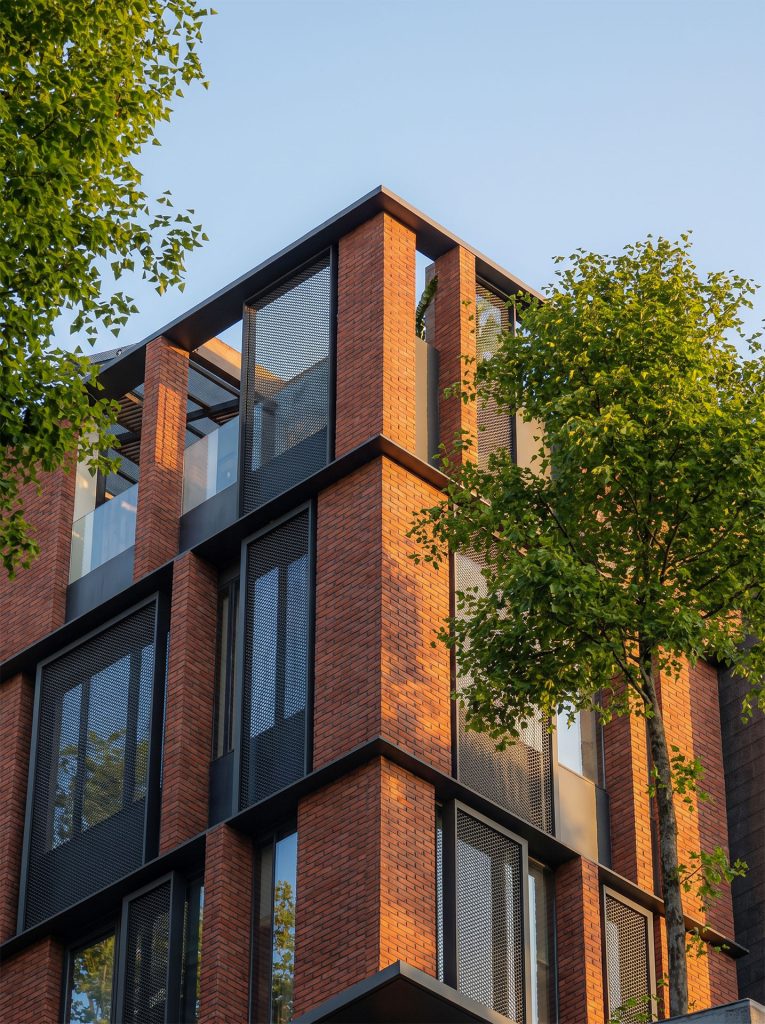
After more than two decades of practice, we have learned that some of the most meaningful architectural solutions emerge when we stop trying to impose an answer too early.
Instead, we listen.
To the client.
To the site.
To the climate.
To the way the building must function.
And sometimes, to the limitations of the project itself.
Listening does not diminish the architect’s role. It makes that role more precise.
It allows design to become a thoughtful negotiation between aspiration and reality, professional judgment and personal needs, architectural ideas and everyday life.
Because architecture, for us, is ultimately not about creating a recognizable style—or turning every commission into a statement about ourselves.
It is about finding the right response for the people who entrusted us with the project.
“The consistency lies not necessarily in how our projects look, but in how they are approached.”
Intercona Architects
Architecture shaped by people, place, and purpose.