
Architecture belongs to a place not because it imitates the past, but because it understands what makes that place distinct.
Architecture is never built in an empty context.
Every building enters a place that already has its own climate, materials, traditions, memories, and ways of life. Long before an architect begins to draw, these conditions have already shaped the identity of its surroundings.
When architecture ignores them, a building may appear new and impressive, yet feel strangely disconnected from where it stands.
It becomes an object placed upon a site rather than architecture that truly belongs to it.
What Does It Mean to Belong?
Designing with locality does not mean reproducing traditional architecture literally.
A building does not become contextual simply by borrowing a local roof form, applying a traditional pattern, or adding regional ornament to an otherwise unrelated design.
Locality needs to be understood more deeply.
It may emerge through the materials available in the region, the knowledge of local craftspeople, the way a building responds to heat and rain, or the relationship it creates with the surrounding community.
It can also emerge through something less tangible: familiarity.
A building belongs when people recognise something of their environment and culture within it—even when its architecture is distinctly contemporary.
The objective is not to make new architecture look old.
It is to allow the past and the present to exist within the same architectural language.
Three Materials, Three Characters
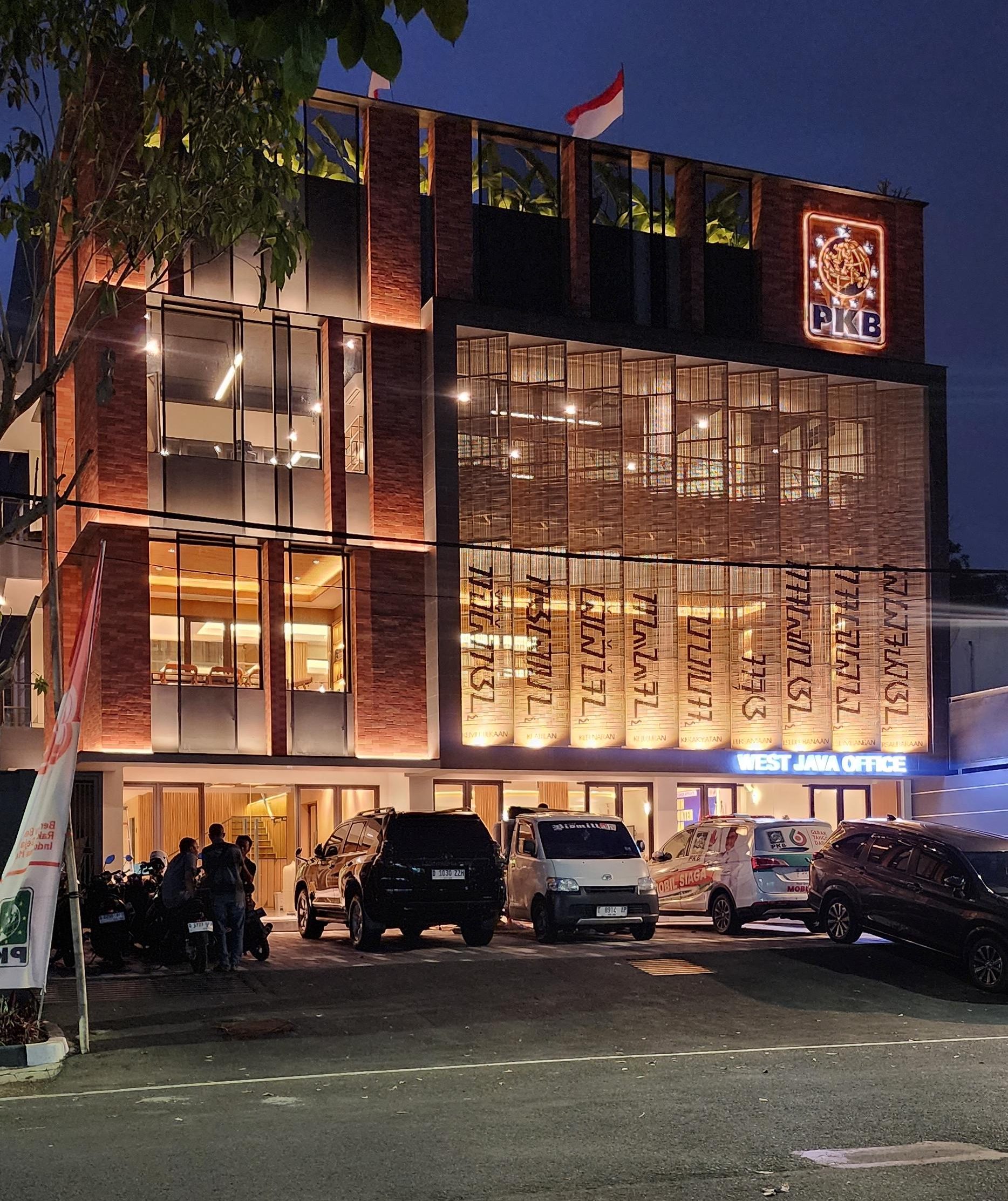
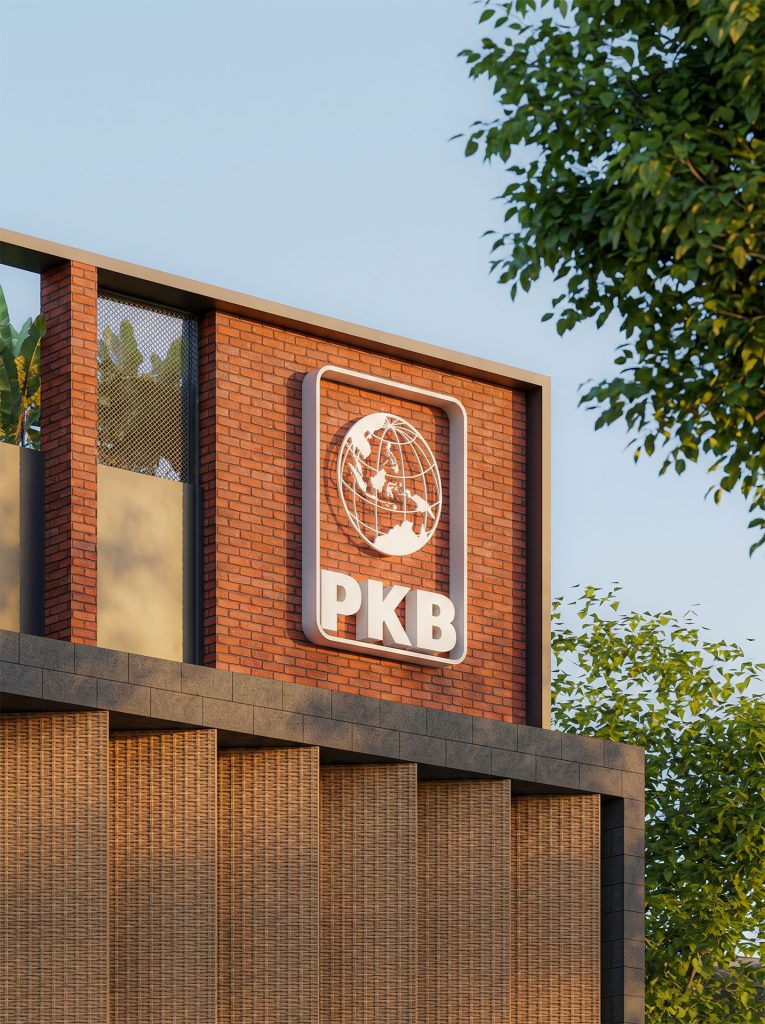
In the design of the PKB West Java Office, this dialogue is expressed through three principal materials: brick, steel, and bamboo.
Each carries a different character.
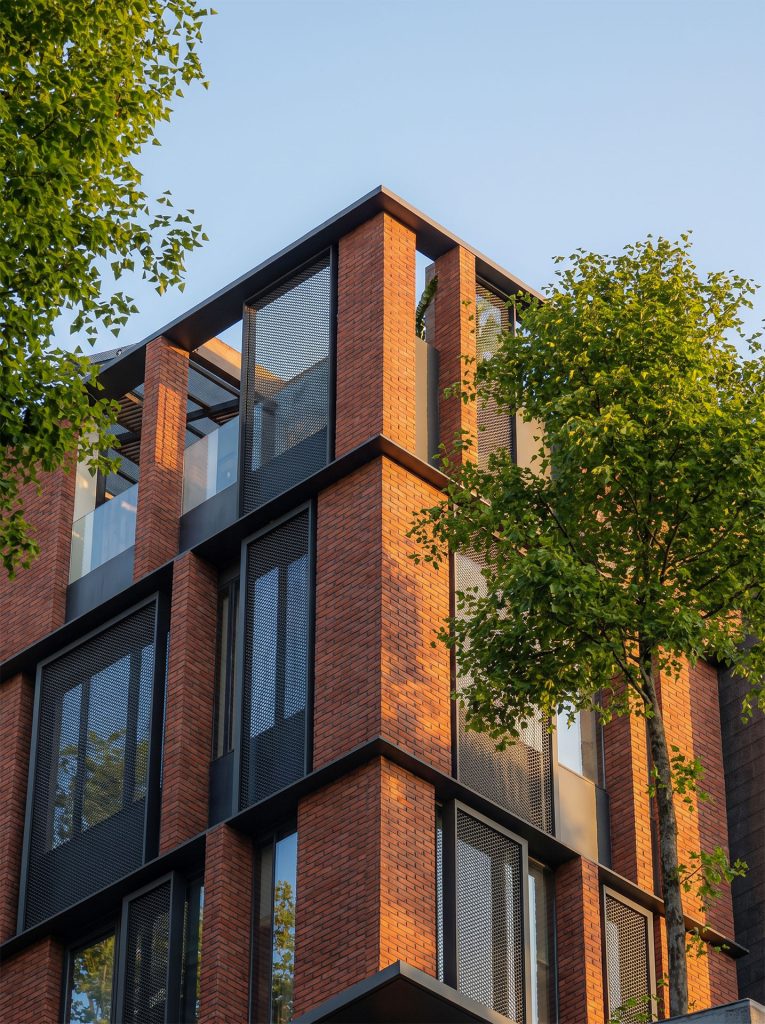
Brick represents a material that is grounded, familiar, and closely connected to local building traditions. Its texture and human scale give the architecture warmth and a sense of permanence.
Bamboo carries another layer of familiarity. It refers to traditional knowledge, renewable natural resources, and the craft culture that has long been part of West Java’s built environment.
Steel introduces a contrasting expression. Precise, structural, and contemporary, it represents the building’s relationship with the present and its readiness to move forward.
Individually, these materials may suggest different periods and values.
Together, they form a conversation between the local and the universal, the traditional and the modern, memory and progress.
Harmony Through Contrast
Harmony does not always require similarity.
Brick, steel, and bamboo differ in origin, texture, weight, and architectural expression. Attempting to make them look alike would diminish the qualities that make each material meaningful.
The design therefore does not conceal their differences.
It uses contrast deliberately.
The solidity of brick is balanced by the lightness and rhythm of bamboo. The natural irregularity of both materials is framed by the precision of steel.
Modernity is not positioned as a replacement for tradition. Tradition is not treated as an image of the past that must remain untouched.
Instead, each gives greater meaning to the other.
The architecture becomes contemporary precisely because it is able to reinterpret what already exists.
Beyond Material Symbolism
Materials alone, however, cannot make architecture local.
Calling bamboo or brick “local” does not automatically create a meaningful relationship with place. If they are used only as visual symbols, locality risks becoming another decorative theme.
Their use must also make architectural sense.
Material selection needs to consider climate, durability, maintenance, construction methods, availability, and the knowledge of those who will build with it. The building’s scale, openness, shading, and relationship with its surroundings must reinforce the same contextual thinking.
Locality is therefore not an aesthetic layer applied at the end of the design process.
It is a way of making decisions from the beginning.
Architecture That Does Not Feel Alien
A contemporary institutional building needs to express confidence and progress. But progress does not require architecture to detach itself from its cultural surroundings.
A building can be new without feeling foreign.
It can introduce a strong identity without becoming an alien object within its environment.
For the PKB West Java Office, the combination of brick, steel, and bamboo became a way to establish that balance. The building acknowledges local material culture while presenting it through a contemporary architectural composition.
It does not attempt to imitate traditional architecture.
Nor does it reject tradition in pursuit of modernity.
Instead, it searches for common ground between the two.
Rooted Architecture
Architecture that is rooted in locality does more than respond to visual context.
It participates in the continuing story of a place.
It respects what came before without becoming trapped by it. It introduces new possibilities without erasing what people already recognise as their own.
When locality is approached this way, context is no longer a limitation on creativity.
It becomes a source of meaning.
Because architecture should not merely occupy a location.
It should feel as though it could only have grown from that particular place.
“A building can be contemporary without becoming foreign to the place and culture in which it stands.”
Intercona Architects
Architecture shaped by people, place, and purpose.